 Keep In It Green Landscaping LLC
The Role of Regular Plant Maintenance in Pest Control
Pest infestations can pose significant challenges for homeowners and landscapers. Overgrown shrubs create an inviting environment for pests like insects, rodents, and other critters. When plants are not well-maintained, they become easy targets for these unwanted visitors. By keeping your shrubs pruned and healthy, you significantly reduce the risk of infestation. This practice not only enhances the visual appeal of your garden but also creates an environment that’s less conducive to pests.
Benefits of Pruning for Healthier Gardens
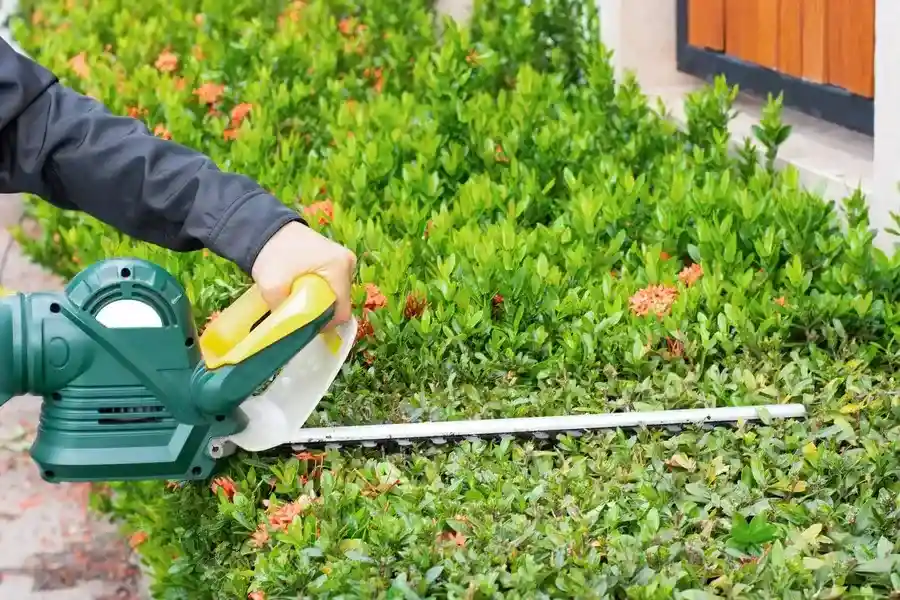
Regular shrub trimming plays a crucial role in maintaining healthier gardens. It ensures adequate air circulation and sunlight penetration, which are vital for plant health. Healthier plants are less susceptible to diseases that can attract pests. Moreover, when you trim overgrown branches, you remove hiding spots that pests prefer. This proactive step helps to keep your garden thriving and pest-free.
Identifying Common Pests in Your Garden
Understanding the types of pests that affect your landscape is essential. Common garden pests include aphids, mites, beetles, and caterpillars. Each of these pests can cause significant damage if left unchecked. Identifying these pests early on allows you to take appropriate measures before they spread. Regular inspections should be part of your gardening routine to spot these issues before they escalate.
The Process of Effective Shrub Trimming
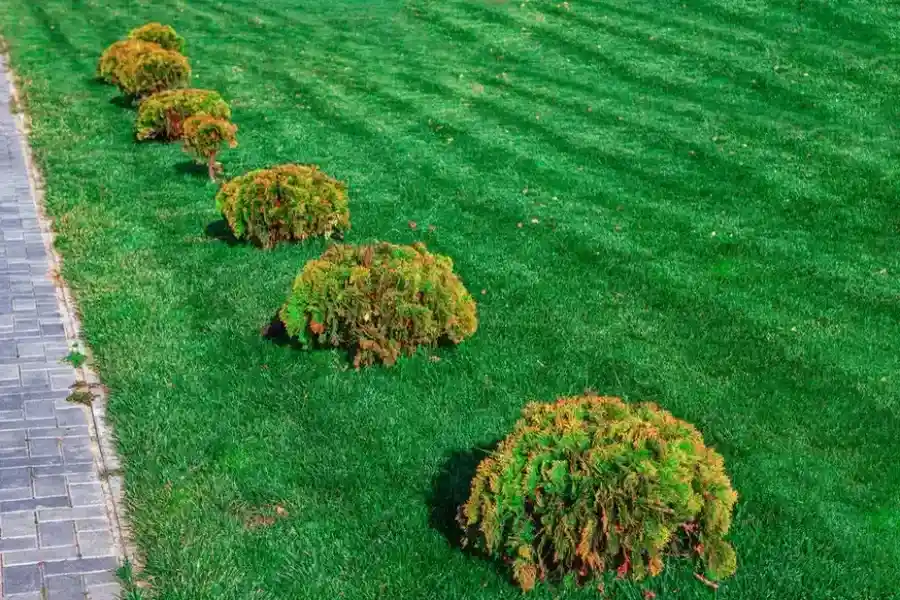
Proper shrub trimming is both an art and a science. To begin with, use sharp tools to make clean cuts at a 45-degree angle. This encourages new growth and minimizes stress on the plant. Next, focus on removing dead or diseased branches as these can harbor pests. Finally, aim for balance by ensuring your plants maintain their natural shape without becoming too dense.
- Use sharp tools for cutting
- Remove dead or diseased branches
- Aim for balanced shapes
Best Practices for Maintaining Healthy Shrubs
Consistent care is key to a healthy garden. First, prune during the late winter or early spring when plants are dormant. This timing reduces stress and prepares them for vigorous growth in spring. Secondly, feed your plants with organic fertilizers to improve their resistance to pests. Lastly, regular watering and mulching help retain soil moisture and discourage pest activities.
- Prune in late winter/early spring
- Feed with organic fertilizers
- Water regularly and mulch appropriately
Curbing Costs Through Prevention
Investing in regular maintenance saves money in the long run. By preventing pest infestations through proper care, you avoid costly treatments later. The initial costs of pruning equipment and labor may seem high, but the savings on potential damage control outweigh these expenses. Consider this maintenance a valuable investment in your property’s future.
Make Informed Choices Today
Preventive measures like shrub pruning are essential for a pest-free garden. Following best practices helps achieve optimal results while reducing costs associated with pest management. Located in Carlton, OR, we provide professional landscaping services tailored to your needs. Call (971) 309-3690 today to schedule your consultation with Keep In It Green Landscaping LLC. Our team ensures the highest standards in garden care.